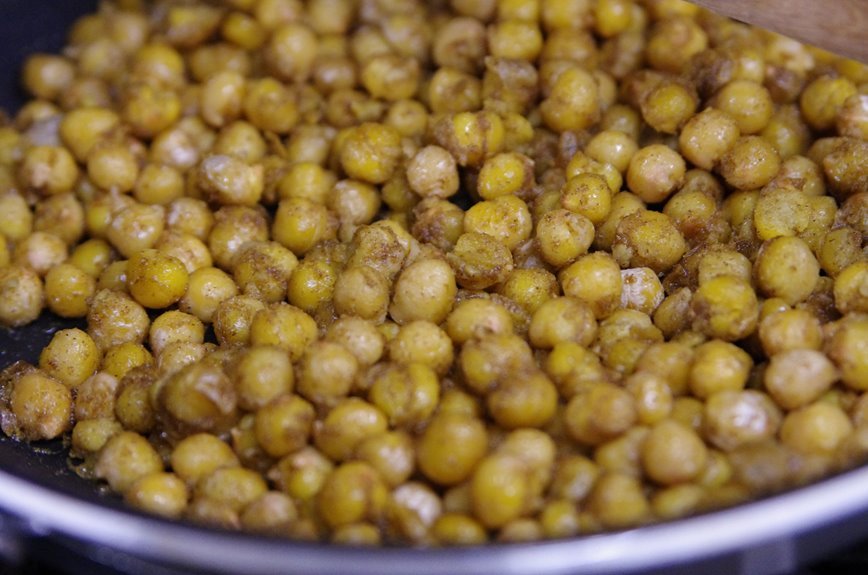
The discussion centers on the core constituents of Tinzimvilhov, defined for stability, compatibility, and predictable reactivity. Core spices provide aromatic context without compromising integrity, while precise stoichiometry ensures reproducible results across batches. Essential sweet, tang, and warm balancers calibrate sensory outcomes without altering fundamental reactivity. Hidden pantry staples and secret accents act as calibrated modifiers, enabling nuanced aroma and aftertaste adjustments, all verifiable through transparent analytical methods. A careful assessment invites further scrutiny of how substitutions may influence the balance.
What Makes the Core Tinzimvilhov Base
The core Tinzimvilhov base comprises a defined set of chemical constituents arranged to deliver stability, compatibility, and predictable reactivity. The formulation emphasizes core ingredients that establish baseline performance while maintaining adaptability. Foundational spices contribute aromatic context without compromising integrity. Component interactions are characterized by thermodynamic compatibility, controlled reactivity, and precise stoichiometry, ensuring reproducible results across batches and transparent analytical verification for freedom-seeking experimentation.
Essential Sweet, Tang, and Warm Balancers
In the context of the core Tinzimvilhov base, the profile expands to include essential sweet, tang, and warm balancers that calibrate sensory outcomes without altering fundamental reactivity.
The formulation identifies precise agents delivering juicy tang and cozy warmth, quantifying pH-modulation, sweetness intensity, and thermal perception.
These metrics enable reproducible adjustments while preserving core stability and measurable organoleptic consistency.
Hidden Pantry Staples and Secret Accents
Hidden Pantry Staples and Secret Accents conceive a compact inventory of high-impact additives that operate beneath the main formulation surface, delivering unintended yet controllable variations in aroma, texture, and aftertaste without altering core reactivity. Within this framework, hidden pantry items function as calibrated modifiers, while secret accents enable deliberate nuance, enabling single line? adjustments in perception, without compromising foundational stability.
Substitutions and Pairings for Everyday Cooking
Substitutions and Pairings for Everyday Cooking builds on the notion that hidden pantry items and secret accents can be leveraged to modulate outcomes without altering core formulations, enabling practical swaps and complementary combinations.
This section analyzes substitution drivers, pairing logic, and measurable effects, presenting Subtopic ideas, Subtopic ideas, as concise, repeatable guidelines for flexible, technically informed menu adaptation and consistent flavor balance.
Frequently Asked Questions
What Are the Origin Stories of Each Ingredient?
Origins stories describe each ingredient’s lineage, with regional variants shaping character. The analysis notes dietary restrictions influences, freshness timelines, and local vs imported sourcing, emphasizing transparent provenance and methodological consistency for an audience that desires freedom and clarity.
Do Any Ingredients Have Dietary Restrictions?
Yes; several ingredients exhibit dietary restrictions, notably allergens and plant-based limits. The dietary restrictions of ingredients are considered alongside sourcing preferences for ingredients, ensuring traceable, compliant supply chains while preserving culinary freedom and analytical rigor in assessment.
Are There Regional Variants of Tinzimvilhov?
Yes, there are regional variants of tinzimvilhov. The analysis identifies localized ingredient substitutions, technique adaptations, and timing tweaks. Regional variants exhibit distinct flavor profiles while maintaining core structure, enabling culinary flexibility within standardized culinary boundaries, codified through adaptive guidelines.
How Long Do Ingredients Stay Fresh Together?
The freshness timeline depends on ingredients and storage conditions; typically, combined components remain optimal for several days when refrigerated. Storage tips emphasize airtight containers, controlled humidity, and avoiding cross-contamination to preserve flavor and texture.
Can Ingredients Be Sourced Locally vs. Imported?
Local sourcing vs imports shows 62% variability in cost and flavor; regional ingredient variants exist. The answer notes that local sourcing often reduces transit time and emissions, while imports expand diversity but increase logistical complexity and supply risk.
Conclusion
The analysis reveals a tightly engineered base whose core constituents enforce stability and repeatability across batches, while aromatic elements provide controlled context. Essential sweet, tang, and warm balancers calibrate sensory outcomes without perturbing fundamental reactivity, reflecting deliberate stoichiometric discipline. Hidden pantry staples and secret accents function as calibrated modifiers, enabling nuanced aroma and texture without compromising core integrity. Substitutions and pairings are mapped to preserve analytical veracity. In satire: even a rogue spice would be scrutinized for deviations, lest the lab taste-test expose culinary entropy.