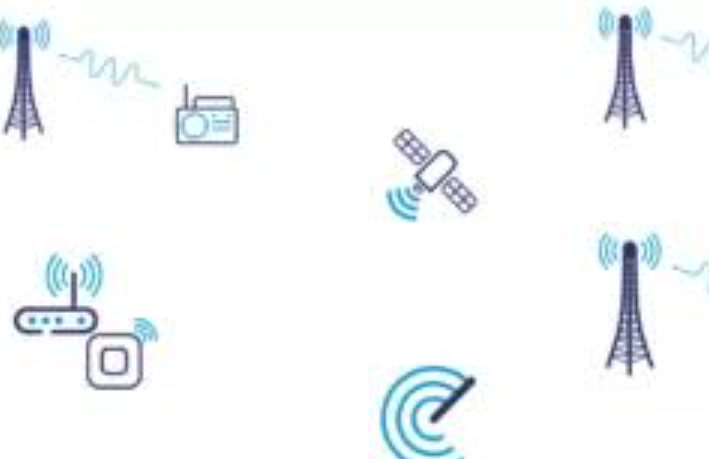
The landscape of wireless communication is constantly evolving, driven by technological advancements. Network standards and infrastructure have improved significantly, particularly with the introduction of 5G technology. This evolution enables faster data transmission and reduced latency, impacting various sectors. Additionally, security measures are adapting to protect user data amidst growing connectivity. The integration of IoT and smart devices further complicates the dynamics of communication. Understanding these elements is crucial for comprehending the future implications of wireless connectivity.
The Evolution of Wireless Networks
The evolution of wireless networks represents a significant technological advancement, characterized by a progressive enhancement in data transmission capabilities.
This development has been driven by the establishment of various wireless standards that dictate operational protocols. As network infrastructure has adapted to these advancements, efficiency and performance have markedly improved, enabling greater connectivity and flexibility.
Ultimately, this evolution empowers users with the freedom to communicate and access information seamlessly.
The Impact of 5G Technology
Advancements in wireless technology have reached a pivotal moment with the introduction of 5G networks, which promise to revolutionize communication by offering unprecedented data speeds, reduced latency, and enhanced connectivity.
The proliferation of 5G applications, such as smart cities and autonomous vehicles, faces significant 5G challenges, including infrastructure costs and spectrum allocation, which must be addressed to fully realize its transformative potential.
Enhancements in Security and Privacy
As wireless communication technology evolves, enhancements in security and privacy become increasingly critical to protect sensitive data transmitted across networks.
Advanced encryption protocols are being implemented to ensure robust data protection, mitigating risks associated with unauthorized access and data breaches.
These developments not only fortify communication channels but also empower users with greater control over their information, fostering a more secure digital environment.
The Role of IoT and Smart Devices
IoT and smart devices represent a significant evolution in wireless communication technology, building upon the security enhancements previously discussed.
These innovations facilitate diverse IoT applications, particularly within the smart home sector, enabling seamless interaction between devices. Enhanced connectivity empowers users with greater control and automation, fostering an environment where efficiency and convenience thrive.
Ultimately, this redefines how individuals experience daily life through intelligent technology integration.
Conclusion
In conclusion, technology continues to revolutionize wireless communication, with 5G networks exemplifying this transformation through increased data speeds and reduced latency. Notably, a study indicates that 5G technology could support up to 1 million devices per square kilometer, underscoring its potential to enhance connectivity in densely populated areas. As security measures advance alongside these developments, the integration of IoT and smart devices will further redefine communication, paving the way for a more interconnected future.