A properly permitted home sauna can be a modest, positive factor in a home sale, particularly in colder climates and markets where wellness features are in demand, but it rarely adds a fixed, appraised dollar amount the way a bathroom or bedroom does. Whether it helps at all comes down to a handful of specific factors, not just the fact that a heater is installed.
Does a Home Sauna Increase Resale Value?
Real estate agents in markets with a strong home wellness culture, including parts of the Pacific Northwest, the Mountain West, and the Upper Midwest, report that a sauna can be a genuine differentiator among comparable listings, occasionally shortening time on market. That said, most appraisers do not have a standard formula for sauna value the way they do for an extra bedroom or a renovated kitchen, so the honest answer is that it helps some buyers care more about your listing rather than guaranteeing a specific price bump. Here are the factors that actually determine whether it helps at all.
1. Whether the Electrical Work Was Permitted
A permitted, inspected 240V circuit reassures a buyer’s inspector and their lender. An unpermitted circuit does the opposite, and a sharp-eyed inspector who spots it will usually flag it, which can slow closing or trigger a request to bring the work up to code before the deal finalizes. This single factor probably matters more to a sale than the heater brand or the wood species on the walls.
2. Whether the Room Uses Otherwise Wasted Space
A sauna built into an underused basement corner, an unused closet, or a bonus room reads as added functional square footage to a buyer walking through. A standalone outdoor sauna cabin, while appealing to some buyers, competes with yard space and reads more like a hobby structure than finished living area, which tends to move the needle less on a comparative market analysis.
3. Heater Size and Condition
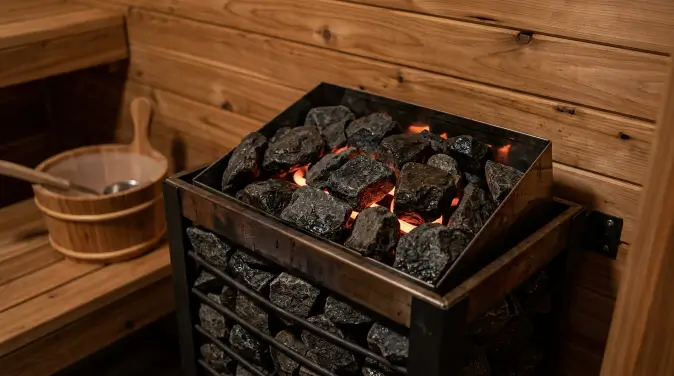
A heater sized correctly for the room, with a control panel in good working order and stones that have not been neglected for years, signals a maintained feature. A heater that is clearly undersized for the room, or one with a cracked stone bed and a control panel with a burned-out display, reads as a repair project the next owner inherits, which can work against you rather than for you at the negotiating table.
4. Local Climate and Buyer Demographics
In cold-winter regions where sauna culture already has a foothold, a home sauna is a recognizable, desirable feature to a meaningful slice of buyers. In warmer climates where the concept is less familiar to the average buyer, it is more likely to be viewed as a neutral extra, neither hurting nor meaningfully helping the sale price.
See also: Why Modern Golf Carts Are More Than Just Golf Accessories
5. Whether It Replaced Something More Universally Wanted
A sauna converted from a garage bay, a legal bedroom, or the only full bathroom on a level can actually reduce value to buyers who wanted that space used differently. A sauna built into space that had no other clear use, like an oddly shaped basement nook, avoids this trade-off entirely.
6. Documentation and Warranty Records
A folder with the original heater purchase receipt, the manufacturer’s warranty terms, and any service history gives a buyer confidence that the feature was maintained rather than neglected. This is a small thing to put together but it consistently comes up as a detail agents mention when a sauna is part of a listing, since it shifts the room from an unknown feature to a documented, understood one in a buyer’s mind.
7. How the Room Compares to Neighborhood Norms
In a neighborhood where several comparable homes already have a sauna, yours is less of a novelty and more of an expected amenity, which can mean it barely moves the needle on price but still helps you compete on par with similar listings. In a neighborhood where no other home has one, a well-built sauna can stand out more distinctly in listing photos and showings, for better or worse depending on how broadly appealing the local buyer pool finds the feature to begin with.
What Appraisers Actually Do With a Sauna
Most residential appraisers treat a sauna as a feature adjustment rather than a line item with its own fixed value, similar to how they might treat a finished basement bar or a built-in workshop. It can nudge a comparable sales adjustment slightly in your favor if similar recently sold homes lacked the feature, but it is not going to be broken out as its own appraised dollar figure on the report. This is different from something like a bathroom count, which does have a more standardized value the appraisal process assigns.
How to Present a Home Sauna When Selling
Keep the permit paperwork and the heater’s install manual available for a buyer’s agent to review, since documentation answers the safety question before it gets raised as a concern. Listing photos that show the room clean, with fresh-looking stones and a tidy bench, do more for buyer perception than the heater specs themselves. If you are researching replacement heaters or want to compare current pricing before listing, you can review current options directly at sweatdecks.com/collections/sauna-heaters, which is useful both for sellers weighing a pre-listing upgrade and for buyers who inherit an older unit and want to know what a modern replacement costs.
Should You Remove a Sauna Before Selling?
Most agents advise against removing a properly installed, permitted sauna, since doing so just returns the space to unused square footage and forfeits a feature some buyers specifically search listings for, particularly in colder-climate markets. Removal only tends to make sense if the unit is unpermitted, poorly maintained, or was carved out of space, like a legal bedroom, that a broader pool of buyers would rather have back in its original form.
Frequently Asked Questions
Does a home sauna increase resale value?
A well-installed, permitted sauna in a basement or bonus room can be a modest selling point in markets where wellness amenities are popular, but appraisers generally do not assign it a fixed dollar value the way they would for a bathroom or bedroom.
Is an indoor or outdoor sauna better for home value?
An indoor sauna that uses otherwise underused space, like a basement corner, tends to add more perceived value than a standalone outdoor unit, since it does not compete with yard space and reads as finished square footage.
Should I remove my sauna heater before selling my house?
Most agents recommend leaving a properly installed, permitted sauna in place, since removing it just returns the room to unused space and forfeits a feature some buyers specifically search for.
Does an unpermitted sauna heater hurt a home sale?
It can. A buyer’s inspector who spots an unpermitted 240V circuit will typically flag it, which can slow closing or push a buyer to ask for the work to be brought up to code first.
References
- Cardiovascular and Other Health Benefits of Sauna Bathing: A Review of the Evidence, Mayo Clinic Proceedings, 2018
- Does the Combination of Finnish Sauna Bathing and Other Lifestyle Factors Confer Additional Health Benefits? A Review of the Evidence, Mayo Clinic Proceedings, 2023
- Effects of heat and cold on health, with special reference to Finnish sauna bathing, American Journal of Physiology, 2018
By Paula Kirkman