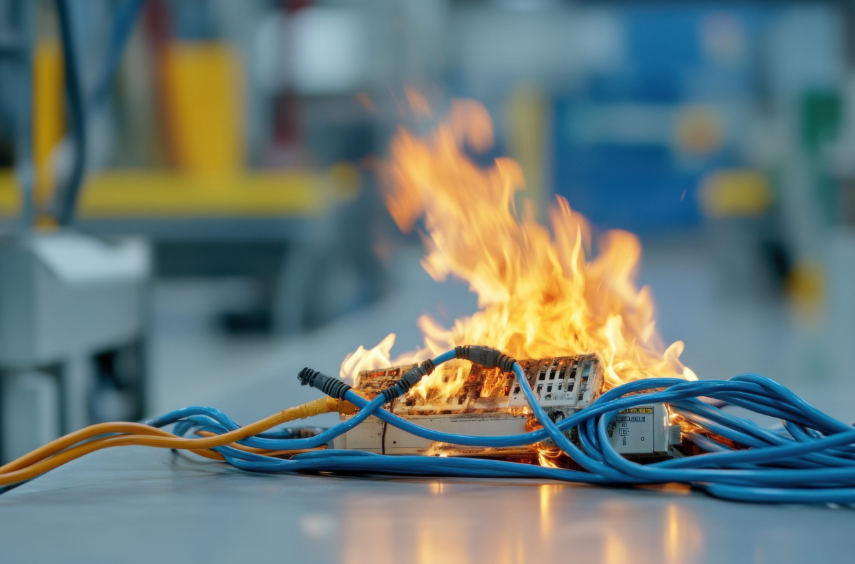
Why Fire Risk Assessment Is Essential in the Workplace
A Fire Risk Assessment is a vital safety process that protects employees, visitors, and business assets from fire-related dangers. Workplaces contain multiple ignition sources, combustible materials, and human activity, all of which increase the likelihood of fire if left unmanaged.
Beyond protecting lives, workplace fire safety ensures:
- Business continuity
- Compliance with fire safety laws
- Reduced insurance risks
- A safer, more confident workforce
Ignoring fire risks can result in serious injuries, fatalities, property loss, and long-term business disruption.
Legal Framework Governing Workplace Fire Safety
Fire Safety Laws and Regulations
Workplace fire safety laws require employers to:
- Conduct a suitable Fire Risk Assessment
- Implement preventive and protective measures
- Maintain fire safety equipment
- Train employees in fire procedures
These laws apply to offices, warehouses, factories, shops, schools, and healthcare facilities.
See also: How Technology Shapes Wireless Communication
Duties of Employers and Managers
Employers and managers must:
- Assign a responsible person
- Act on assessment findings
- Keep fire exits accessible
- Ensure emergency procedures are understood
Failure to comply may lead to enforcement notices, fines, or prosecution.
Key Components of a Workplace Fire Risk Assessment
Identifying Fire Hazards
Fire hazards generally fall into three categories:
- Ignition sources: electrical equipment, machinery, cooking areas
- Fuel sources: paper, packaging, chemicals, waste
- Oxygen sources: ventilation systems, compressed gases
Each hazard must be carefully examined in relation to daily work activities.
Identifying People at Risk
People at risk include:
- Employees working alone or in isolated areas
- Visitors unfamiliar with escape routes
- Contractors working with tools or hot processes
- Individuals with mobility or sensory impairments
Common Workplace Fire Hazards
Electrical and Equipment Risks
Faulty wiring, overloaded sockets, and poorly maintained machinery are among the most common workplace fire causes.
Flammable Substances and Storage
Liquids, gases, and chemicals must be:
- Properly labeled
- Stored in approved containers
- Kept away from ignition sources
Human Error and Unsafe Practices
Examples include:
- Smoking in restricted areas
- Blocking fire exits
- Improper waste disposal
- Ignoring safety procedures
Evaluating Fire Risks in Office and Industrial Settings
Risk Levels and Severity
Risk evaluation considers:
- Likelihood of fire starting
- Speed of fire spread
- Potential harm to occupants
High-risk areas such as kitchens, workshops, and storage rooms require stricter controls.
Prioritizing Control Measures
Actions should focus on:
- Removing hazards where possible
- Reducing fuel loads
- Improving detection and warning systems
Fire Prevention Measures for Workplaces
Good Housekeeping Practices
Effective housekeeping includes:
- Regular waste removal
- Clear escape routes
- Safe storage of materials
Clean and organized workplaces are significantly less prone to fire.
Maintenance and Inspections
Routine inspections should cover:
- Electrical systems
- Fire doors
- Alarm systems
- Emergency lighting
Fire Protection and Safety Systems
Fire Alarms and Detection
Early detection saves lives. Systems must be:
- Clearly audible
- Regularly tested
- Maintained by competent persons
Emergency Lighting and Exit Routes
Emergency lighting ensures safe evacuation during power loss, while exit routes must be clearly marked and unobstructed.
Firefighting Equipment
Appropriate extinguishers should be:
- Correctly selected
- Clearly labeled
- Easily accessible
Emergency Evacuation Planning
Roles and Responsibilities
Fire wardens or marshals should:
- Assist evacuations
- Check designated areas
- Communicate with emergency services
Fire Drills and Training
Regular training ensures employees:
- Recognize alarms
- Know evacuation routes
- Understand their responsibilities
Fire drills should be conducted at least once a year.
Recording and Reviewing Workplace Fire Risk Assessments
Documentation should include:
- Identified hazards
- Control measures
- Training records
- Review dates
Assessments must be reviewed whenever significant changes occur.
Frequently Asked Questions (FAQs)
1. Is a Fire Risk Assessment mandatory for all workplaces?
Yes, regardless of business size or industry.
2. Who can carry out a workplace assessment?
A competent person or qualified fire risk assessor.
3. How often should employees receive fire training?
At induction and regularly thereafter.
4. Do offices face the same fire risks as factories?
Yes, though hazards differ, both require assessments.
5. Are fire drills legally required?
Yes, as part of effective fire safety management.
6. What records must be kept?
Assessments, maintenance logs, and training records.
Conclusion
A workplace Fire Risk Assessment is essential for safeguarding employees, protecting assets, and maintaining legal compliance. By identifying hazards, implementing preventive measures, and preparing staff for emergencies, businesses can significantly reduce fire risks and create a safer working environment for everyone.